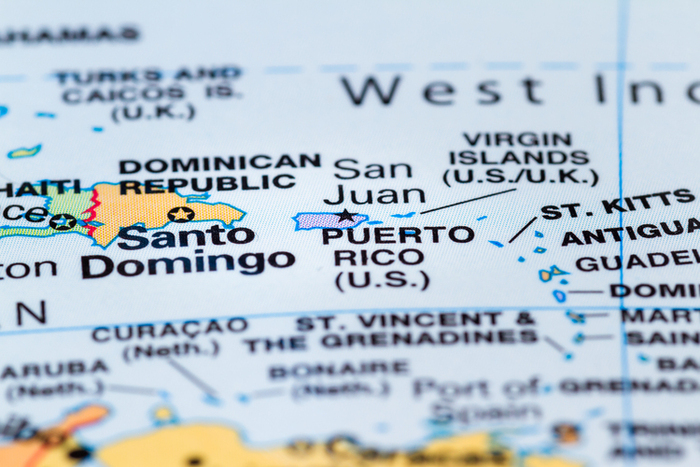
When traveling to the Dominican Republic, it’s important to understand the customs rules that apply when entering. This includes the mandatory e-Ticket policy.
This guide explains the Dominican Republic customs rules in 2027 in a clear and practical way, so you can travel stress-free.
The Mandatory E-Ticket: Your Digital Customs Declaration
All travelers must complete the official DR e-ticket in 2027. This digital immigration form also works as part of the customs declaration process. It should be completed carefully and truthfully before departure.
The e-ticket combines several travel requirements into one online process, including:
- Entry and exit information
- Health-related travel details
- DR Customs declaration form
Travelers may need to provide information about cash, goods, valuables, and certain restricted items before landing. If something you declare raises questions, customs officers may refer you to an additional inspection point on arrival.
DR Duty-Free Allowances: What Can You Bring Without Paying Taxes?
In general, the Dominican Republic allows visitors to enter with certain goods duty-free. This is provided they’re for personal use and they stay within the permitted limits.
This usually applies to common travel items such as alcohol, tobacco, clothing, toiletries, and personal belongings. However, once quantities appear excessive or commercial, customs authorities may decide that duties apply.
Alcohol and tobacco limits
Adults entering the Dominican Republic may usually bring a limited amount of alcohol and tobacco for personal consumption. These duty-free allowances are meant for travelers, not for resale or distribution.
Allowed per adult (18+) are generally:
- Up to 3 liters of alcohol
- Up to 200 cigarettes
- Or 25 cigars
- Or 200 grams of tobacco
If you exceed these limits, you may have to pay import duties, and in some cases the products could be retained or confiscated. Staying within the official allowance is the safest way to avoid customs issues at the airport.
Cash and currency
Carrying cash into the Dominican Republic is not forbidden, but customs rules become stricter once the amount goes over the limit.
You can carry any amount of cash, but more than US$ 10,000, or the equivalent in another currency, must be declared
If the amount is not declared properly, travelers could face seizure of funds, questioning, fines, or a formal investigation. Anyone traveling with a high amount of money should therefore declare it in advance.
Prohibited and Restricted Items in the Dominican Republic
Customs authorities distinguish between:
- Items that are generally allowed
- Items that must be declared
- Items that are banned
The table below outlines key items and which category they fit into:
This table offers a quick overview, but each category may involve additional conditions. That is especially true if the quantity looks excessive or the item seems intended for commercial use.
Agricultural restrictions (meat, fruits, and vegetables)
Agricultural and food controls are taken seriously because they help protect public health, livestock, and local agriculture.
Travelers should be especially careful with the following:
- Fresh meat and meat products
- Fruits and vegetables
- Seeds and plants
These products are among the most commonly restricted or confiscated goods at customs. It’s best not to pack them unless you’re sure they’re permitted.
Medication and prescriptions
Bringing medicine for personal use is normally possible, but customs officials may request proof that the treatment is legitimate. This is more likely if the medication is strong, unusual, or classified as a controlled substance.
To reduce the risk of problems, make sure that your medication is:
- Kept in its original packaging
- With a prescription or medical certificate
- Carried in a reasonable quantity for personal use
This is especially important for prescription painkillers, sedatives, injectables, or any medicine subject to tighter control. When documentation is missing, customs officers may question the traveler or retain the product.
Vapes and e-cigarettes
In general, travelers may bring vaping devices into the Dominican Republic for personal use. However, the way they’re packed and the quantity carried can make a difference.
The main points to keep in mind are:
- Vapes should be for personal use only
- They should normally be carried in hand luggage
- Quantities should remain limited and reasonable
If a traveler carries several devices, multiple sealed refills, or products that suggest resale, this may attract customs attention. In those cases, officers may decide that the products are not for personal use and request a declaration, apply taxes, or confiscate them.
Bringing Electronics and Professional Equipment into the Dominican Republic
Personal electronics are usually not a problem for tourists entering the Dominican Republic. These items are generally accepted when they clearly form part of normal personal luggage.
However, enforcement has become stricter when electronics appear new, boxed, or excessive in quantity. This is especially relevant in 2027, as inspections linked to goods suspected of being imported for resale have reportedly become more common.
Customs officers may pay closer attention to:
- Multiple new smartphones
- Sealed electronic devices in original boxes
- Several laptops, cameras, or accessories
- High-value items that do not look like normal personal luggage
If customs suspects the goods are intended for resale, you may be asked for receipts, proof of ownership, or supporting explanations. Import duties may also apply.
Drones and professional photography permits
While these items are not automatically prohibited, they’re more likely to raise questions than typical electronics.
The main issues usually involve:
- Whether the drone is for personal or professional use
- Whether it will be flown in a restricted area
- Whether filming activity could require prior authorization
Travelers carrying this type of equipment should check the latest conditions before departure.
DR Customs Fines and Penalties: What Happens if You Violate the Rules?
Not all customs violations are treated in the same way. The consequences depend on the type of item involved, the quantity, and whether the authorities believe the failure was accidental or deliberate.
Possible consequences include:
- Confiscation of the goods
- Payment of import duties or fines
- Delays and secondary inspection
- Further questioning by customs officers
- In more serious cases, legal action
The most common triggers include:
- Undeclared cash
- Suspicious amounts of electronics
- Large quantities of alcohol or tobacco
- Resricted food or agricultural products
In practice, the safest approach is simple: if an item may be restricted, unusual, or valuable, it’s always better to declare it.
faq
Check the most common questions here.
Can I bring gifts for friends or family into the Dominican Republic?
Toggle faqs
Yes, small personal gifts are usually not a problem if they’re clearly for personal use.
However, if you arrive with several identical items, products in original packaging, or quantities that look commercial, customs officers may ask questions or treat the goods as taxable imports.
Should I keep receipts for valuable items when traveling?
Toggle faqs
Yes, especially for expensive jewelry, cameras, laptops, drones, or other high-value goods.
Receipts, proof of purchase, or even photos showing prior use can help if customs officers ask whether an item is for personal use or intended for resale.
Can customs officers inspect my luggage even if I have nothing to declare?
Toggle faqs
Yes. Being allowed to pass through customs does not guarantee that your luggage will not be checked.
Customs authorities can still carry out random inspections or request a bag search if something appears unusual on the scanner, in your declaration, or in the way your luggage is packed.
Can I bring souvenirs back out of the Dominican Republic without problems?
Toggle faqs
Usually yes, as long as the products were legally purchased and do not fall into a protected or restricted category.
Problems are more likely if the item is made from restricted animal, plant, or cultural materials, or if it looks unusually valuable. Keeping receipts for expensive souvenirs is a good idea.
Are customs rules the same at every airport in the Dominican Republic?
Toggle faqs
The national customs rules are the same, but enforcement can vary slightly depending on the airport, the volume of arrivals, and the officer handling the inspection.
In practice, some travelers may pass quickly while others are selected for closer checks. For that reason, it’s best to always be prepared for inspection.